
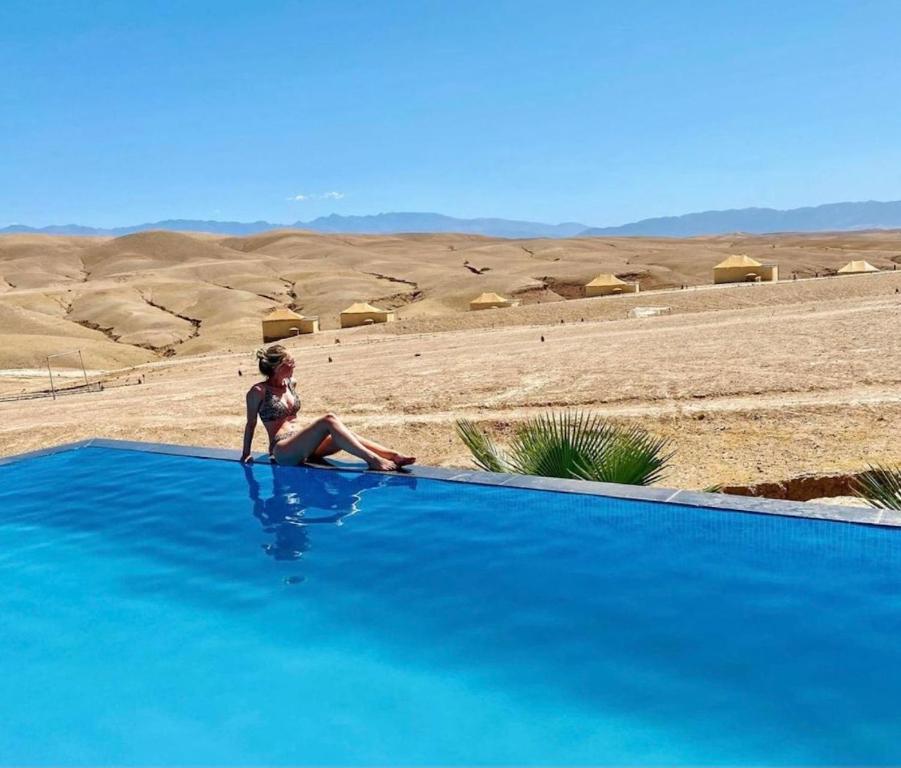
Marrakech is unlike anywhere most UK travellers have been before. The sights, sounds, smells and pace of the city arrive all at once — and for first-timers, that can be as disorienting as it is exhilarating. The medina has no grid, the souks have no map, and the best experiences are usually the ones you didn’t plan.
This guide is written for people visiting Marrakech for the first time from the UK. It covers everything you need to know before you arrive — where to stay, what to see, what to eat, how to get around, and how to avoid the mistakes that most first-timers make.
Getting There from the UK
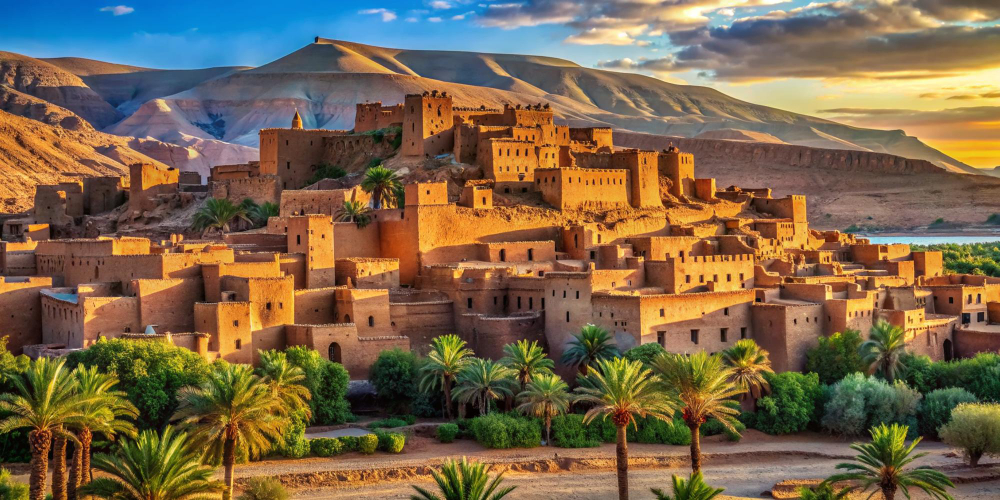
Marrakech Menara Airport (RAK) is served by direct flights from most major UK airports including London Gatwick, London Stansted, Manchester, Birmingham and Bristol. Flight time is approximately 3.5 hours. Ryanair, easyJet and British Airways all operate routes, and prices are often very reasonable — particularly if you book 6 to 8 weeks in advance or travel outside of school holidays.
UK citizens do not need a visa to enter Morocco for stays of up to 90 days. Your passport must be valid for the duration of your stay — no additional validity requirement applies, unlike some other destinations.
From the airport to the medina, a taxi takes approximately 15 minutes. Agree the fare before you get in — a fair price to the medina centre is around 80 to 100 MAD (roughly £6 to £8 at current rates). Many hotels and riads offer airport transfers if you prefer a fixed, pre-arranged price.
When to Visit
The best time to visit Marrakech as a first-timer is spring (March to May) or autumn (September to November). Temperatures in these months are warm but not punishing — typically 22 to 28°C — and the city is busy but not overwhelmed.
Summer (June to August) is hot. Genuinely hot — temperatures regularly exceed 38°C in July and August. If you visit in summer, plan your outdoor sightseeing for early morning and late afternoon, and rest or stay indoors during the midday heat. The riads of the medina, with their internal courtyards and thick stone walls, stay remarkably cool.
Winter (December to February) is mild and pleasant by UK standards — typically 18 to 22°C during the day — but evenings can be genuinely cold, particularly in the mountains. It is the least crowded season, with some of the best hotel rates of the year.
Where to Stay
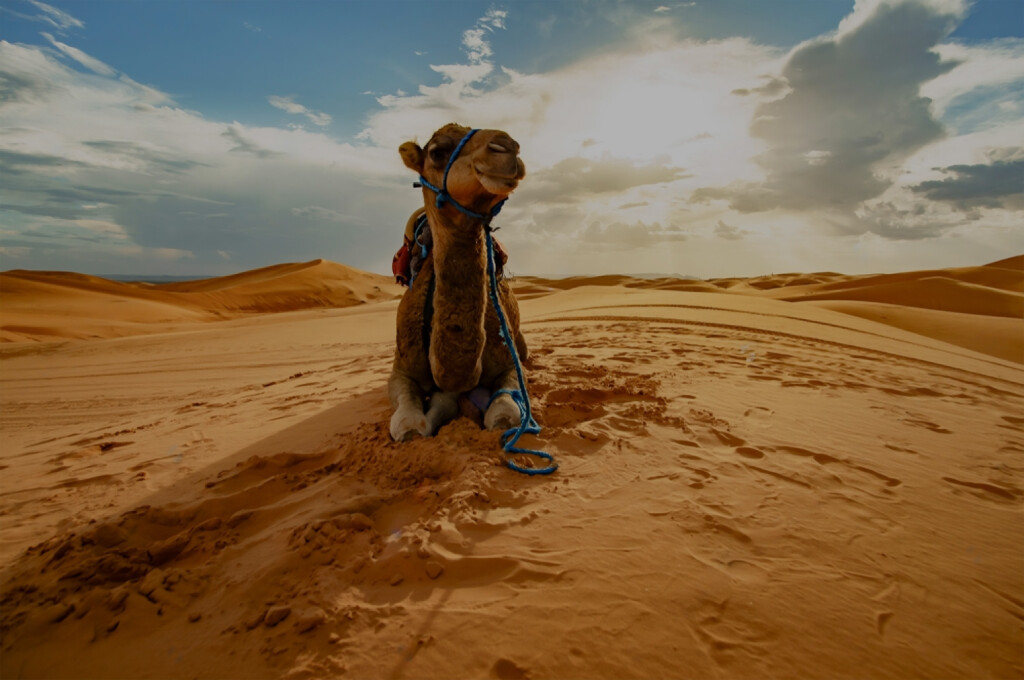
For first-time visitors, the choice of neighbourhood matters more in Marrakech than almost anywhere else.
The Medina is where most first-timers should stay, at least for the first night or two. The historic walled city is where the real Marrakech experience lives — the narrow alleys, the souks, the Djemaa el-Fna, the call to prayer at dawn. Staying in a riad — a traditional Moroccan house built around a central courtyard — is the classic and highly recommended choice. Riads range from modest guesthouses to extraordinary boutique hotels, and almost all offer a level of calm and character that chain hotels cannot match.
Gueliz (also called the Ville Nouvelle) is the modern French-built district west of the medina. It is more spacious, easier to navigate and home to the best restaurants, rooftop bars and international cafés in the city. If you prefer a more relaxed base with easier access to the medina by taxi or on foot, Gueliz is a good option — particularly for stays of four nights or more.
The Palmeraie is the palm grove north-east of the city — home to the most luxurious resort hotels in Marrakech. It is quiet, spacious and beautiful, but requires a taxi or car for everything. Recommended for those prioritising a pool, spa and retreat experience over urban exploration.
The Djemaa el-Fna — What to Expect
The Djemaa el-Fna is the central square of the medina and the beating heart of Marrakech. UNESCO recognised it as an Intangible Cultural Heritage of Humanity — and once you have spent an evening there, you understand why.
By day, the square is relatively calm: a few orange juice vendors, some snake charmers and henna artists, and a steady flow of tourists and locals crossing between the souks and the cafés. By late afternoon, it begins to transform. Food stalls are erected, musicians arrive, storytellers gather their crowds, and the smoke from a hundred charcoal grills rises into the sky as the city comes out for the evening.
For first-timers, the best approach is to arrive at the square around 6pm, find a table on a rooftop café terrace overlooking the action, order a fresh orange juice or mint tea, and simply watch for an hour before descending into the crowd. The views from above give you the geography of the space before the noise and density of ground level. The orange juice from the stalls in the square costs around 4 MAD a glass — and is genuinely among the best you will have anywhere.
A note on the square: be aware that some performers — particularly snake charmers and those with trained monkeys — will approach tourists and attempt to charge for photographs. This is entirely your choice, but agree a price before any interaction, or decline politely and walk away. It is not hostile; it is commerce.
The Souks — How to Navigate Them
The souks of Marrakech are a labyrinth of covered alleys, each traditionally devoted to a single trade: spices, leather, lanterns, textiles, carpets, ceramics, metalwork. They are extraordinary to walk through and genuinely easy to get lost in — which is part of the experience.
A few practical points for first-timers:
Get lost on purpose. The souks cannot be efficiently “done” with a map and a checklist. The best approach is to enter from the northern edge of the Djemaa el-Fna, walk in a general direction, and allow yourself to be diverted by whatever catches your attention. You will always find your way out eventually — the medina is not as large as it feels.
Bargaining is standard. In the souks, the first price offered is rarely the final price. A reasonable approach is to express interest, ask the price, counter with roughly half, and negotiate from there. Never agree to a price you are not happy to pay, and never begin negotiating unless you are genuinely interested in buying — starting a negotiation and then walking away can cause offence. That said, you are never obliged to buy.
The best souk items for quality and value are argan oil products (buy from cooperatives rather than tourist shops for the best quality), leather goods from the tannery quarter near Bab Debbagh, handwoven textiles from the weaving district, and hand-painted ceramics.
The Essential Sights
The Koutoubia Mosque is the most important monument in Marrakech and the most visible — its 70-metre minaret is visible from almost everywhere in the city. Non-Muslims may not enter the mosque, but the gardens surrounding it are open to all and make a pleasant, quiet contrast to the medina bustle.
The Bahia Palace was built in the late 19th century as the residence of the Grand Vizier Si Moussa and later his son. Its series of courtyards, painted ceilings and tiled rooms offer an excellent introduction to the Moroccan palace tradition. Entry costs around 70 MAD (approximately £5.50). Visit in the morning to avoid the crowds.
The Saadian Tombs are a remarkably well-preserved 16th-century royal necropolis, rediscovered in 1917 after being sealed for over two centuries. The carved stucco and cedar woodwork inside the main mausoleum are among the finest examples of Moroccan craftsmanship anywhere in the country.
The Majorelle Garden is a botanical garden designed by French painter Jacques Majorelle in the 1920s and later restored by Yves Saint Laurent. The signature cobalt blue buildings set against vivid green cacti and tropical plants make it one of the most photographed places in Morocco. Arrive early — it opens at 8:00 — or late afternoon to avoid the worst of the crowds. Entry is around 150 MAD (£12).
The Mellah is the historic Jewish quarter of Marrakech, located just south of the Bahia Palace. It is one of the oldest Jewish quarters in Morocco and less visited than the main tourist sites — which is precisely why it rewards exploration. The Lazama Synagogue is open to visitors and offers a moving insight into the once-thriving Jewish community of southern Morocco.
What to Eat and Drink
Moroccan food is one of the great underrated cuisines of the world, and Marrakech is the best place to experience it.
Tagine — slow-cooked meat or vegetables in a conical clay pot — is the dish most associated with Morocco and, in Marrakech, one of the most reliably good things you can order. Lamb with prunes and almonds is the classic; chicken with preserved lemon and olives is equally good.
Pastilla is a flaky pastry filled with pigeon (or chicken) meat, eggs and almonds, dusted with icing sugar and cinnamon. It sounds unusual; it is extraordinary.
Harira is a thick, warming soup of tomatoes, lentils, chickpeas and herbs — eaten throughout Morocco as a daily staple and particularly good for breakfast or a late lunch.
Mint tea is not simply a drink in Morocco — it is a ritual. Poured from height to create a froth, served sweet and hot in small glasses, it is offered as a gesture of welcome in shops, homes and restaurants alike. Accepting it is courteous; it does not oblige you to buy anything.
For the best food experience, avoid the tourist restaurants immediately around the Djemaa el-Fna (decent but overpriced) and instead look for small local restaurants in the side streets of the medina or in Gueliz. A full tagine lunch in a non-tourist establishment should cost no more than 60 to 80 MAD (around £5).
Practical Tips for First-Timers
Currency: The Moroccan Dirham (MAD) is the local currency. Cash is essential for the medina — many small shops, market stalls and local restaurants do not accept cards. ATMs are widely available in Gueliz and at the airport. Avoid changing money at the airport if possible; rates are considerably better at exchange offices in the city.
Dress: Marrakech is a Muslim city and modest dress is respectful, particularly in the medina and at religious sites. For women, shoulders and knees covered is the standard guideline. In practice, tourist areas are tolerant, but dressing modestly will make your experience smoother and earn you more respect from local people.
Safety: Marrakech is generally safe for tourists. The primary risk is petty theft in crowded areas — keep your phone and wallet secure in the souks and on the Djemaa el-Fna. Be cautious of people who offer to “show you the way” or volunteer unsolicited guidance — these encounters often end with a request for payment.
Getting around: The medina is best explored on foot. For longer journeys — to Gueliz, the Palmeraie or the airport — petit taxis (small orange cabs) are cheap and plentiful. Always ensure the meter is running, or agree a price before departure.
Language: Arabic and French are the primary languages. English is widely spoken in tourist areas, hotels and restaurants. Learning a few words of French or Darija (Moroccan Arabic) — shukran (thank you), la shukran (no thank you), bslama (goodbye) — is appreciated and often warmly received.
How Long to Stay
Three nights is the minimum to do Marrakech justice — two full days in the city, with time for the souks, the main monuments and an evening on the Djemaa el-Fna. Five nights is the sweet spot: three days in the city, plus two day trips into the surrounding landscapes. A week allows you to go deeper into both the city and the region — and most people who stay a week wish they had stayed longer.
Marrakech rewards those who slow down. The best moments are not on any list — they are the mint tea accepted in a carpet shop you had no intention of entering, the rooftop at dusk when the call to prayer rises from a dozen minarets at once, the alley that turns out to lead to a garden you had entirely to yourself. Give yourself time to find them.